
Can Yoga Burn Fat?
Yes, yoga can help burn fat but results depend on your routine and diet. Active yoga styles increase calorie burn and support weight loss. Regular practice improves strength, flexibility and stress control while a healthy diet helps reduce body fat.
Yoga can burn fat when practiced regularly with enough movement and the right habits. It can increase calorie use, build strength and support healthy weight loss. While yoga alone is not a quick fix combining active yoga with balanced eating can help reduce body fat.

Can Yoga Burn Fat and Calories?
Yes, yoga can burn fat and calories especially when you choose active forms that keep your body moving. It can raise your energy use improve muscle strength and support a healthier body composition. Still fat loss depends on using more energy than you eat.
Combining yoga with regular activity, nutritious meals and enough rest can make your progress more steady and easier to maintain over time.
How Yoga Supports Fat Loss and Weight Management?
Yoga can support fat loss and healthy weight management by increasing movement improving strength and encouraging better daily habits. It works best as part of a balanced routine that includes nutritious food, regular exercise, enough recovery and long term consistency.
How Does Yoga Increase Calorie Use?
Active yoga styles keep your body moving and can increase calorie expenditure during a session. Faster flows, challenging poses and shorter rest periods generally require more effort. Choosing suitable intensity can make yoga a useful part of your fitness routine.
Can Yoga Build Muscle Strength?
Yoga can strengthen muscles through poses that require your body to support balance and control its weight. Stronger muscles can improve movement and physical ability. Adding other resistance exercises can provide further strength benefits and create a more complete workout routine.
Can Yoga Improve Eating Habits?
Yoga may encourage mindful eating by helping you notice hunger fullness and food choices more carefully. This awareness can support better portions and fewer unnecessary snacks. Pairing mindful eating with nutritious foods can make healthy weight management easier to maintain.
Can Yoga Help Control Stress Eating?
Regular yoga may help manage stress through movement breathing and relaxation. Better stress control can reduce the habit of eating when you feel tense or upset. Building healthier ways to handle stress can support better food choices and long term weight goals.
Can Yoga Support Healthy Weight Management?
Yoga can become part of a practical weight management routine when practiced consistently. Combine it with daily movement, balanced meals, enough sleep and suitable exercise. Focus on steady habits rather than quick results because lasting weight changes usually require time and consistency.
What Should You Do for Better Results?
Choose a yoga style that matches your fitness level and practice it regularly. Stay active outside your yoga sessions eat balanced meals and get enough sleep. Tracking your habits instead of expecting fast changes can help you stay consistent and realistic.
Which Yoga Burns the Most Calories?

Yoga can be a useful way to burn calories while improving strength, balance and fitness. Some yoga styles burn more calories than gentle stretching because they use faster movements and keep the body active for longer.
The yoga that burns the most calories usually includes dynamic styles such as Power Yoga, Vinyasa and Ashtanga. The exact amount depends on workout intensity, body weight, session length and how regularly you practice.
How Many Calories Does Yoga Burn?
Yoga can burn different amounts of calories depending on your body size, workout length and yoga style. A gentle session may use fewer calories while vigorous practices such as Vinyasa or Power Yoga can use more.
Factors
The main factors affecting calorie burn are:
- Body size
- Workout length
- Yoga style
- Workout intensity
- Movement pace
- Body weight
A 30 minute session usually burns less than an hour long workout. Treat calorie estimates as a guide and focus on regular practice, healthy habits and gradual progress rather than an exact number.
Can Yoga Help Reduce Belly Fat?
Yes, yoga can support belly fat reduction but it cannot target fat from one area alone. Regular practice can strengthen your core improve posture and increase overall physical activity. For better results combine yoga with a balanced eating pattern, enough sleep and other exercise.
Gradual changes are more realistic than quick fixes. Your body decides where it loses fat first so focus on overall health rather than trying to remove stomach fat through specific poses alone.
Best Yoga Poses for Fat Loss

The best yoga poses for fat loss are active movements that use muscles and keep your body engaged. Practicing them with good form can improve strength, endurance, balance and fitness while supporting an exercise routine.
Can Sun Salutations Support Fat Loss?
Sun Salutations create a flowing sequence that works several body areas together. They raise movement levels and can make your routine more active. Start slowly learn each step correctly then build a steady rhythm as your fitness improves over time.
Is Chair Pose Good for Fat Loss?
Chair Pose challenges your legs, hips and upper body while requiring steady control. It can add strength building to an active routine and improve balance. Hold the position comfortably keep your breathing steady and avoid forcing your knees or joints.
Can Plank Pose Strengthen Your Core?
Plank Pose is useful for building core stability while also working your shoulders, arms and legs. It can make active yoga sessions more demanding. Keep your body aligned avoid dropping your hips and stop if your form becomes weak safely.
Is Boat Pose Helpful for Fat Loss?
Boat Pose challenges your abdominal area while improving balance and body control. It can strengthen the muscles around your middle when practiced correctly. Keep your chest lifted breathe normally and choose an easier position if holding the pose feels difficult.
Can Warrior Poses Support Weight Loss?
Warrior Poses use your legs, hips and upper body while improving stability and movement control. They can add strength and endurance to a yoga session. Practice each position with steady breathing keep your knee aligned and move without rushing safely.
Is Chaturanga Useful for Fat Loss?
Chaturanga builds upper body strength while engaging your arms, shoulders and middle. It can make a flowing yoga sequence more challenging and support better body control. Beginners can lower their knees for support and focus on safe steady and smooth movement.
Can Bow Pose Improve Body Fitness?
Bow Pose works several muscle groups while challenging flexibility and body control. It may improve range of motion when practiced gently and consistently. Move into the pose slowly avoid pain and use a simpler variation until your body feels ready.
Is Bridge Pose Good for Strength?
Bridge Pose strengthens the back, hips and legs while encouraging controlled movement. It can support posture and add useful muscle work to your routine. Lift your hips comfortably keep your knees stable and lower slowly instead of using sudden movements.
Can Side Plank Support Fat Loss?
Side Plank challenges your arms, shoulders and middle while improving balance and stability. It can add useful strength work to an active yoga routine. Beginners can keep one knee on the floor and focus on alignment before progressing further safely.
Can Locust Pose Improve Muscle Endurance?
Locust Pose engages the back, legs and shoulders while encouraging full body movement. It can build muscular endurance and improve body awareness when practiced with control. Lift only as far as comfortable keep your neck relaxed and breathe steadily throughout practice.
How Long Should You Do Yoga for Weight Loss?
For weight loss aim for 30 to 60 minutes of yoga on most days based on your fitness level and schedule. Beginners can start with 15 to 20 minutes and slowly increase their session length. Include active flows, daily movement, balanced meals and proper recovery.
Staying consistent matters more than doing long sessions occasionally so choose a routine you can maintain.
Can Beginners Lose Weight With Yoga?
Yes, beginners can lose weight with yoga when they practice regularly and make healthy food choices. Starting with gentle routines helps build confidence, flexibility and balance. As fitness improves adding more challenging movements can increase energy use.
For better results combine yoga with walking or exercise control portions, stay hydrated and focus on gradual progress instead of quick changes. Consistency is more important than sessions.
Healthy Eating Tips to Support Fat Loss
Healthy eating can make fat loss more manageable while you continue yoga. Focus on filling foods, sensible portions, enough protein and regular meals instead of strict diets. Small food changes can support steady progress without making your routine difficult.
What Foods Support Fat Loss?
Choose vegetables, fruits, whole grains, beans, eggs, fish and other simple foods. These choices provide fiber and useful nutrients while helping you feel satisfied. Build meals around natural foods instead of relying heavily on highly processed options.
How Can Portion Control Help?
Portion control helps manage how much energy you get from food without banning your favorite meals. Use smaller servings, eat slowly and notice fullness. This simple habit can make your eating pattern easier to follow and support gradual body fat reduction.
Should You Eat More Protein?
Protein rich foods can help you feel full and support muscle maintenance during weight loss. Include eggs, yogurt, fish, chicken, beans or lentils in meals. Pairing protein with vegetables and whole grains creates balanced meals that can keep hunger manageable.
Which Foods Should You Limit?
Limit sugary drinks, frequent sweets, fried foods and heavily processed snacks. You do not need to avoid them forever but eating them less often can make your calorie intake easier to manage. Choose healthier options most of the time for sustainable progress.
How Important Is Hydration?
Water supports normal body functions and can help you stay hydrated during yoga and daily activities. Drink regularly throughout the day especially when you sweat more. Choose water instead of sugary drinks when possible to avoid adding unnecessary calories.
Can You Lose Fat Without Strict Dieting?
Yes, fat loss does not require extreme food restriction. A balanced eating pattern with reasonable portions can be easier to maintain than a very strict plan. Combine nutritious meals with regular yoga and daily movement and allow progress to happen gradually.
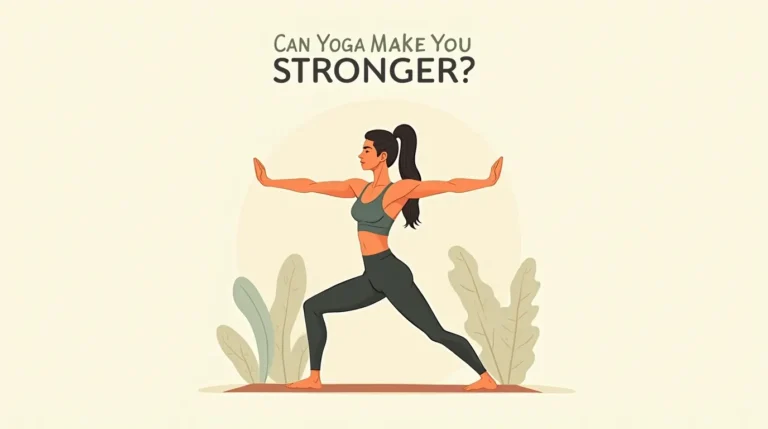
Also Read: Can Yoga Make You Stronger
Common Yoga Weight Loss Mistakes to Avoid
Yoga can support weight loss but common mistakes may slow your progress or create unrealistic expectations. Understanding these errors helps you build safer habits choose suitable practices and stay consistent while working toward healthier long term results.
Are You Expecting Quick Results?
Fat loss takes time so expecting rapid changes can lead to frustration. Instead track your habits, strength, energy and consistency. Give your body time to respond and focus on steady progress rather than judging results after only a few sessions.
Are You Doing Only Gentle Yoga?
Gentle yoga can improve flexibility and relaxation but it may provide less physical challenge. If suitable for your fitness level add active flows or stronger sequences. Gradually increasing effort can make your routine more demanding without rushing beyond your ability.
Are You Ignoring Your Food Choices?
Yoga cannot fully balance frequent overeating or poor food choices. Build meals around vegetables, protein, whole foods and sensible portions. Reducing sugary drinks and highly processed snacks can support your overall energy balance and make progress easier.
Are You Trying to Lose Belly Fat Only?
No exercise can reliably remove fat from one chosen body area. Instead of focusing only on your stomach aim for overall fat reduction through regular activity, balanced eating and consistent yoga. Your body determines where fat decreases first.
Are You Practicing Yoga Inconsistently?
Practicing once in a while may make progress harder to maintain. Choose a realistic schedule that fits your daily life even if sessions are short. Regular practice builds better habits and can gradually improve fitness, movement and exercise consistency.
Are You Ignoring Proper Yoga Form?
Poor form can reduce the benefits of a pose and increase injury risk. Learn each movement carefully, keep your alignment controlled and choose easier variations when needed. Quality matters more than speed difficulty or copying advanced practitioners.
Conclusion
Yoga can support fat loss when practiced regularly but it works best with balanced eating daily movement, enough sleep and realistic goals. Active styles can increase calorie use while different poses build strength balance and endurance. Beginners should start gradually focus on proper form and stay consistent. Remember that yoga cannot target belly fat alone. Sustainable progress comes from healthy habits practiced over time not quick fixes or extreme routines.
FAQ’s
Can Yoga Burn Fat Without Exercise?
Yoga is already a form of exercise so it can help you use energy and support fat loss. Adding walking or other daily movement can make your results better.
Does Yoga Burn Fat While You Sleep?
Yoga does not directly burn fat while you sleep. However, regular practice may help you sleep better and manage stress which can support healthy weight control.
Can Yoga Change Your Body Shape?
Yes, yoga can make your body stronger and more flexible. Regular practice may also improve posture and muscle tone which can change how your body looks.
Is Yoga Better in the Morning or Evening for Fat Loss?
Neither time is proven to burn more fat. Choose the time when you feel comfortable and can practice regularly. Consistency matters more than morning or evening.
How Long Does It Take to See Weight Loss Results From Yoga?
It varies from person to person. You may notice better strength and fitness first. Visible weight changes usually take longer and depend on your routine food and activity.